If you are thinking about buying or selling in Teton Valley, you already know this is not a simple plug-and-play market. Prices are substantial, inventory varies by property type, and buyers are often weighing lifestyle, long-term value, and access to the mountains all at once. The good news is that with the right local context, you can make a much more confident decision. Let’s dive in.
Why Teton Valley gets attention
Teton County, Idaho remains a relatively small mountain market with growing demand. The U.S. Census Bureau estimates 13,254 residents and 7,199 housing units as of July 1, 2025, with 13.9% population growth since April 2020 and an 80.8% owner-occupancy rate. That combination matters because a growing population and limited housing stock can keep pressure on available inventory.
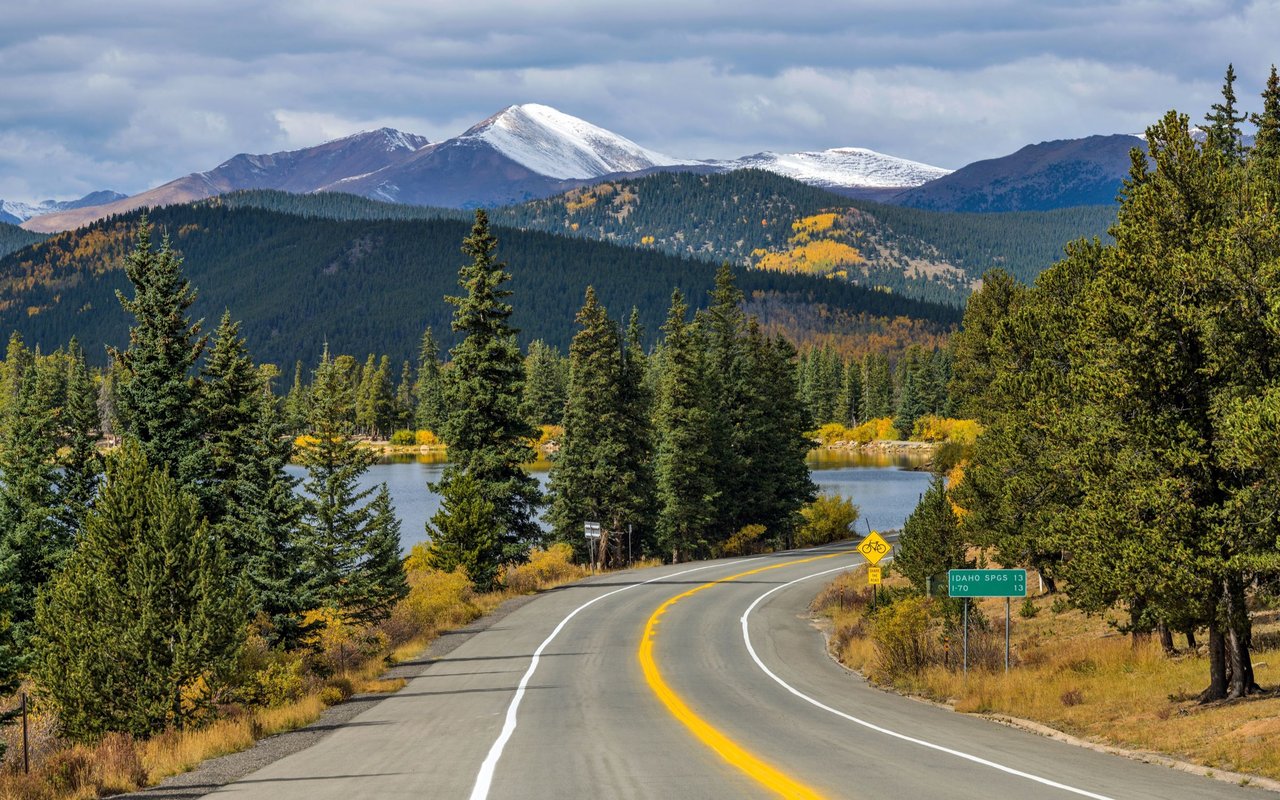
The valley includes the communities of Victor, Driggs, Tetonia, and nearby Alta, each tied to the region’s outdoor lifestyle and scenic setting. According to the county’s economic plan, Teton Valley is shaped by open space, mountain views, wildlife, clean water, and a strong sense of community, while also serving as a major tourism corridor with Jackson Hole about 40 minutes away, Grand Targhee 12 miles from Driggs, and Grand Teton and Yellowstone within day-trip reach. You can see that context reflected in the county’s economic plan update.
Teton Valley market snapshot
Teton Valley is still a premium market, but it remains more accessible than nearby Jackson Hole. In February 2026, Redfin’s Teton County market data showed a median sold price of $1,042,284 and 181 median days on market. In March 2026, Realtor.com reported a median listing price of $1,070,000, 373 active listings, and 111 median days on market.
That same market snapshot suggests buyers may have some room to negotiate. Realtor.com reported that homes sold for 7.95% below asking on average, which tells you this is not a market where every listing moves instantly at full price. For sellers, that means pricing strategy matters. For buyers, it means strong due diligence and patient negotiation can still pay off.
Where most inventory sits
Active listings are concentrated in a few key areas. Realtor.com data in the research report showed the largest share of active listings in Victor (155), Driggs (136), and Tetonia (78), with much less inventory in Felt.
For practical planning, that means your search experience can vary a lot depending on where you focus. Some buyers prioritize commute access toward Jackson, while others care more about land, views, privacy, or proximity to recreation. The right fit often comes down to your daily rhythm, not just a price point.
Understanding Teton Valley price bands
A helpful way to view this market is through broad pricing bands rather than one countywide average. Based on the year-end 2025 market report, Teton Valley can be understood in three practical tiers:
- Under $1 million: where much of the active resale volume occurs
- $1 million to $2.5 million: where the upper-end residential market remains active
- $3 million and up: where luxury sales continue to happen regularly
The same 2025 year-end market report showed a median residential sale price of $890,000 and a median land sale price of $245,000. It also recorded 18 sales above $3 million in both 2024 and 2025, with the 2025 high sale reaching $7.75 million in Alta.
Condos and townhomes in Teton Valley
If you want a lower-maintenance option or a more approachable price point, condos and townhomes are an important part of this market. In Q1 2025, the Teton Valley market report recorded 30 condo and townhome closings with an average sale price of $502,233 and an average price of $450 per square foot.
The report noted that much of this activity came from newer developments in Driggs, including The Flats at Teton Peaks, Moraine Square, and Stone Peak. For buyers, that can make this segment worth watching if you want newer finishes, simpler upkeep, or a foothold in the valley without stepping immediately into the single-family price range. These figures come from the Q1 2025 Idaho market report.
Single-family homes and buyer demand
Single-family homes remain the core of the higher-end market. In Q1 2025, 38 single-family homes sold at an average price of $1,681,988, with average days on market of 153.
At the same time, the most active slice of the broader market has been below the luxury tier. A broader Q2 2025 snapshot showed that homes priced under $1 million generated the most activity, with 44 sales, an average sale price near $697,000, a median around $723,500, and 9.23 months of inventory. In plain terms, there is demand, but buyers still have choices in that range.
Land and ranch opportunities
Land remains a major part of the Teton Valley story. In Q1 2025, the market report showed 58 land and ranch-site sales with an average sale price of $336,224, while the median land price was $222,000 and vacant-land inventory rose to 175 active listings in spring 2025.
This matters if you are thinking beyond a standard resale home. Land can appeal to buyers planning custom construction, legacy ownership, recreation-focused use, or a longer-term hold. It also requires more careful due diligence around access, utilities, use constraints, and timing, so the numbers are only the starting point.
Teton Valley versus Jackson Hole
One of the biggest reasons buyers keep looking at the Idaho side is simple: relative value. According to Redfin’s Jackson market data, Jackson’s February 2026 median sold price was $2.7 million, compared with $1,042,284 in Teton County, Idaho. Realtor.com also showed a median listing price of $3,072,500 in Teton County, Wyoming, versus $1,070,000 in Teton County, Idaho.
That means Jackson’s median sold price was about 2.6 times the Idaho county’s sold price, and its median listing price was about 2.9 times higher. Teton Valley is no longer a bargain market, but it still offers a meaningful price gap relative to Jackson. For many buyers, that gap is the reason Idaho stays firmly in the conversation.
What drives long-term demand
Teton Valley’s long-term demand is tied to more than scenery. The county’s economic plan describes the area as a bedroom community to Jackson Hole, noting that nearly one third of the workforce works outside the valley. It also explains that land prices have risen as the economy has shifted toward tourism, remote work, and lifestyle-driven demand.
Housing supply remains a real issue as well. Teton Valley Housing says the region needs 1,165 to 1,580 homes by 2027, with at least 60% below market level, and points to projects such as Sherman Park in Victor, a 90-unit apartment development with deed-restricted affordability components. The same broader housing context includes local housing planning efforts and commuter links, including weekday summer bus service between Driggs, Victor, and Jackson.
For buyers, the takeaway is clear: this is a mountain amenity market with ongoing supply pressure. For sellers, it helps explain why well-positioned property can continue to attract attention, even when days on market are longer than many people expect.
What buyers should keep in mind
If you are buying in Teton Valley, a practical plan usually works better than a rushed one. Start by defining whether you are really shopping for a condo, primary home, second home, land, or a rural property with more moving parts. Each category behaves differently, and your search will go better when your priorities are clear.
It also helps to think through these questions early:
- What is your realistic budget range in today’s market?
- Do you want convenience, privacy, acreage, or newer construction?
- How important is access to Driggs, Victor, or the Jackson commute?
- Are you willing to take on land due diligence or future building timelines?
- Do you need a property that supports long-term legacy or investment goals?
In a market like this, the best opportunity is not always the most obvious public listing. Sometimes the advantage comes from understanding the numbers, the submarket, and the property type before you make a move.
What sellers should keep in mind
If you are selling, today’s market rewards preparation more than hype. Buyers are still active, but they are price-aware and often comparing multiple options. The fact that homes sold for nearly 8% below asking on average should encourage realistic pricing, strong presentation, and a strategy built around the right buyer profile.
That is especially true for land, ranch property, and upper-end homes. These assets often benefit from targeted positioning and informed conversations around use, value, and long-term fit. Broad exposure can help in some cases, but it is not the only path, especially when privacy and buyer quality matter.
Why local guidance matters here
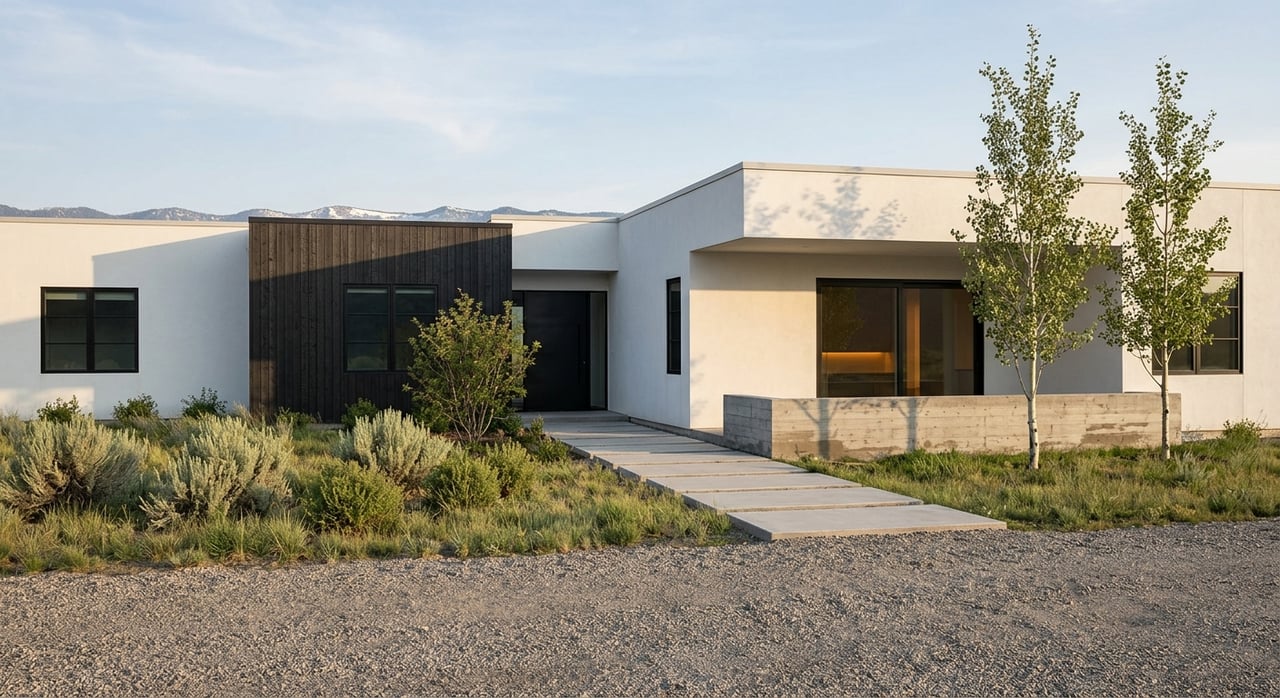
Teton Valley is a market where numbers tell part of the story, but not all of it. You also need to understand location differences, inventory shifts, commute patterns, recreation access, and how buyers perceive value across Victor, Driggs, Tetonia, and Alta.
That is where informed advisory matters. Whether you are evaluating a home, a piece of land, or a legacy property, thoughtful guidance can help you move with more clarity and fewer surprises.
If you are considering your next move in Teton County, Idaho, Wealthwise Real Estate offers a calm, data-driven approach grounded in local knowledge, discretion, and long-term thinking.
FAQs
What is the current home price trend in Teton Valley, Idaho?
- Recent market data in the research report shows a median sold price of $1,042,284 in February 2026 and a median listing price of $1,070,000 in March 2026, which reflects a premium market with some room for negotiation.
What price range is most active for Teton Valley homes?
- Based on the research report, the under $1 million range has seen the most active resale volume, including 44 sales in a broader Q2 2025 snapshot.
What do condos cost in Teton Valley, Idaho?
- In Q1 2025, condos and townhomes in Teton Valley had an average sale price of $502,233 and an average price of $450 per square foot.
What does land cost in Teton Valley, Idaho?
- In Q1 2025, land and ranch-site sales had an average sale price of $336,224, while the median land price was $222,000.
How does Teton Valley compare to Jackson Hole for home prices?
- The research report shows Jackson with a $2.7 million median sold price versus $1,042,284 in Teton County, Idaho, making Jackson roughly 2.6 times more expensive by that measure.
Why are buyers still drawn to Teton Valley, Idaho?
- Buyers are often drawn by the valley’s mountain setting, recreation access, proximity to Jackson Hole, and relative value compared with nearby resort markets, even though pricing remains elevated.
Is Teton Valley a buyer’s market or seller’s market?
- It is more balanced than some nearby resort markets. The research report shows meaningful inventory, longer days on market, and average sale prices below asking, which can give buyers leverage while still supporting long-term seller value in the right property segments.