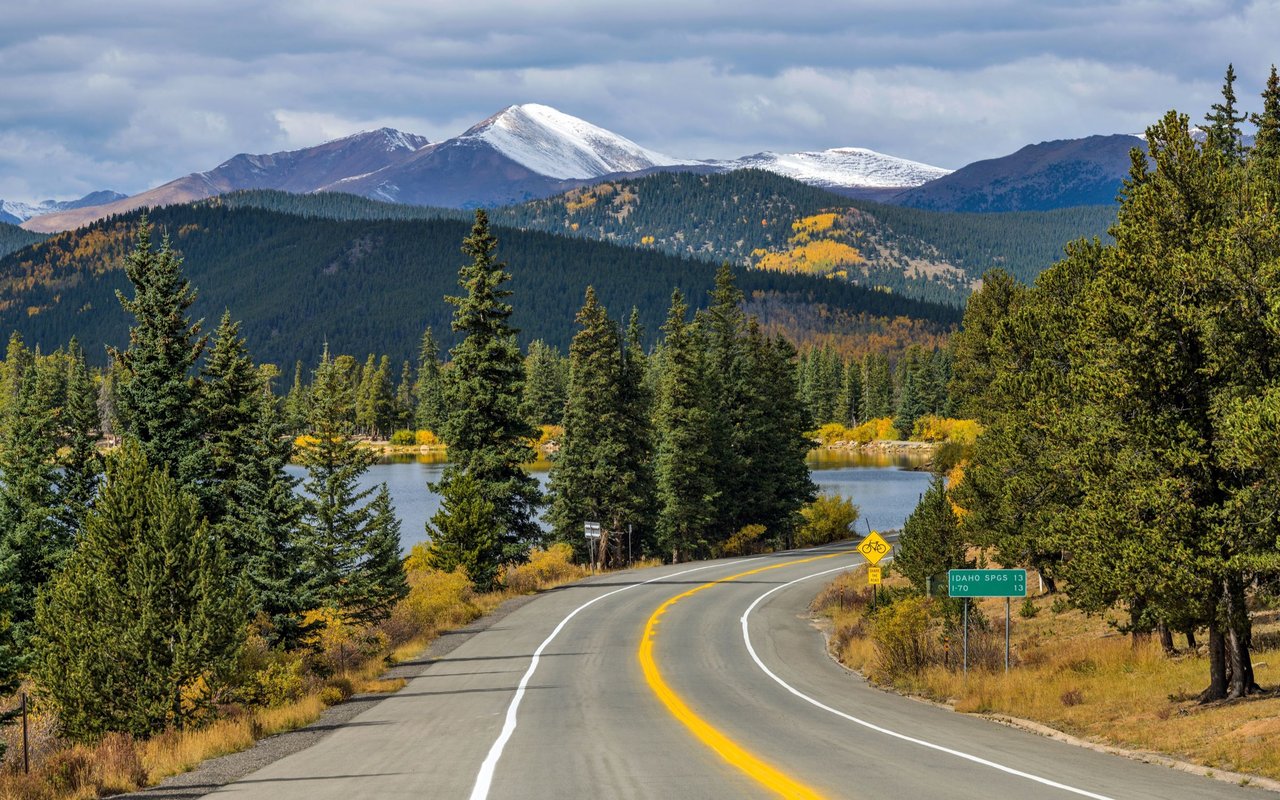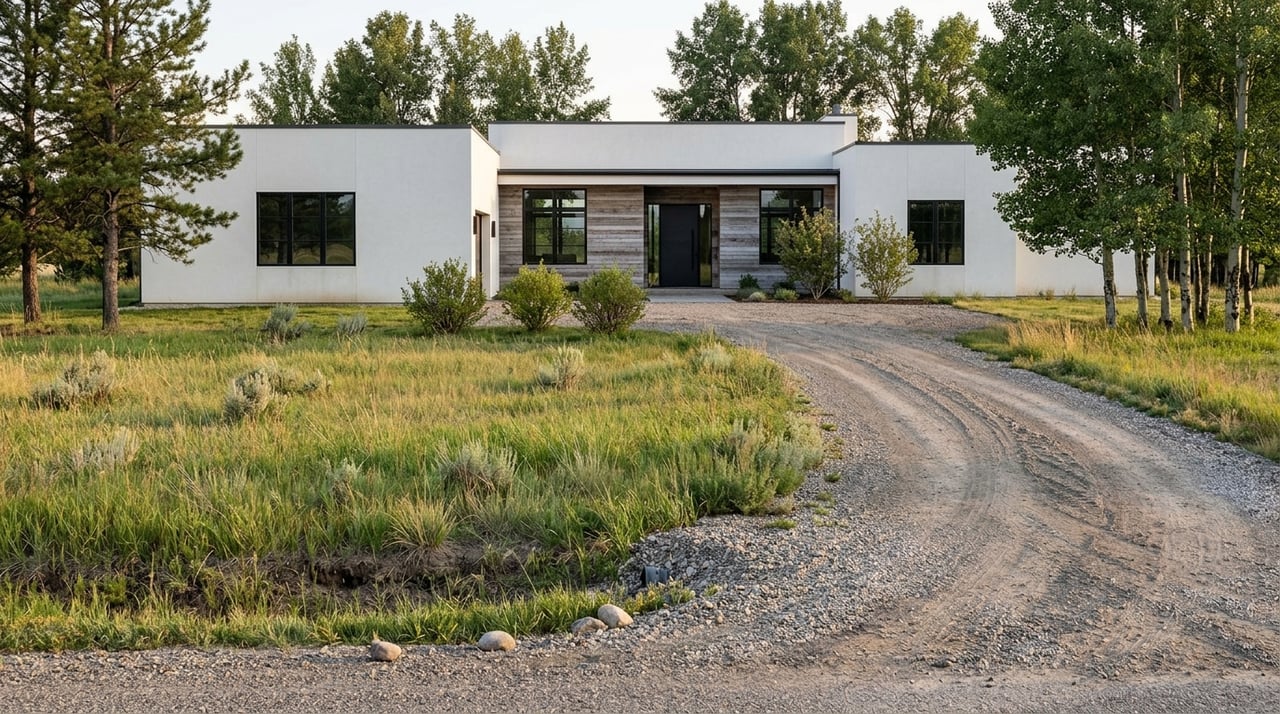
If you are looking for a place where open land still shapes daily life, Tetonia deserves a closer look. This is not a dense, fast-moving town built around big retail corridors or short blocks. It is a quieter corner of Teton County where space, scenery, and rural routines matter, and where knowing how the area actually functions can help you decide if it fits the life you want. Let’s dive in.
What life in Tetonia feels like
Tetonia presents itself as a gateway to the Tetons, with a focus on small-town living, scenic preservation, and growth that stays aligned with local values. On the city’s official website, that balance comes through clearly in the way it talks about neighborhoods, environmental quality, and community character.
The wider setting reinforces that impression. According to U.S. Census Bureau data for Teton County, the county has an estimated 13,254 people in 2025 spread across 449.09 square miles of land, or about 25.9 people per square mile. In practical terms, that means Tetonia feels shaped by distance, views, and elbow room more than by a busy town core.
Why space defines the lifestyle
One of the biggest differences you will notice in Tetonia is how much the land influences everyday decisions. Homes, roads, and services are spread out, so your experience tends to be more about private space and wide horizons than about walkable blocks and constant activity.
That rural pattern also affects how you think about property. In and around Tetonia, acreage is not just a luxury feature. It is often part of the basic structure of the market, which makes this area especially appealing if you want room for privacy, equipment, animals, or a land-centered lifestyle.
Acreage is part of the market
The Teton County Land Development Code helps explain why Tetonia often attracts buyers looking for more than a standard neighborhood lot. In the city impact area near Tetonia, AOI-2.5 and AOI-20 zoning districts allow minimum lot sizes of 2.5 acres and 20 acres.
The same code also includes rural districts such as RR-20, RA-35, and LA-35 that are designed around agricultural uses, very low-density residential living, open space, and scenic quality. That does not mean every property is the same, but it does show why Tetonia is commonly associated with acreage homes, rural residential parcels, hobby farms, and farm or ranch land.
Rural living can support agricultural uses
For some buyers, the draw is not just privacy. It is the ability to own land that supports a more hands-on way of living. The county code specifically says RR-20 and RA-35 can include gardens, farm animals, livestock, and agricultural buildings, subject to the applicable rules for the property.
That matters if you are thinking beyond the house itself. In Tetonia, lifestyle questions often include how the land can be used, how much maintenance it may require, and whether the property fits your long-term plans.
Daily services are practical and local
Tetonia is small, but it does have the basic civic structure many residents need. The city’s City Hall page notes hours of Monday through Thursday from 8 a.m. to 3 p.m. and connects residents to information on emergency services, parks, water utilities, planning, and code compliance.
Public safety and health care are organized on a broader local network. The city points residents to Teton County police and fire services, including fire stations in Driggs, Victor, and Tetonia, and it directs residents to Teton Valley Health Care in Driggs for hospital care.
Schools and library access support routine life
For households thinking about day-to-day logistics, Teton School District 401 serves PK-12 and includes Tetonia Elementary among its schools. The district reports a 98% graduation rate on its district website.
The Valley of the Tetons Library also expanded local access with the Tetonia branch that opened in May 2024. According to the district information provided in the research, the branch includes about 1,300 books, computer, internet, and printing services, 24/7 hold lockers and book return, plus afterschool and book-club programming.
Shopping is modest by design
If you are used to large commercial centers, Tetonia will feel different. The city’s local business directory points to a modest mix of services such as a general store, cafe, gas and oil, tire shop, storage units, builders, and a salon.
That smaller commercial footprint is part of the tradeoff. You gain quiet roads and a more open setting, but you should also expect to plan errands with the understanding that services are more spread out than they would be in a larger town.
Commuting and remote work expectations
A rural lifestyle works best when it matches your daily routine. Countywide Census data shows a 94.9% broadband subscription rate and a mean commute to work of 33.9 minutes.
Those numbers do not guarantee internet performance or commute times for every address, but they do give useful context. Tetonia can be workable for remote work and hybrid schedules, yet it also reflects the broader geography of Teton County, where travel between home, work, and services is often part of normal life.
Outdoor access is a major advantage
For many people, Tetonia’s biggest appeal starts the moment they step outside. The area offers access to trail systems, river recreation, national forest land, and major regional parks, all while keeping home life in a quieter rural setting.
This is one of the clearest reasons buyers are drawn here. You are not choosing between a peaceful home base and outdoor recreation. In many cases, Tetonia offers a blend of both.
Ashton to Tetonia Trail
The Ashton to Tetonia Trail is one of the area’s standout amenities. Idaho Parks and Recreation says the trail runs 29.6 miles and supports hiking, biking, horseback riding, cross-country skiing, snowshoeing, and snowmobiling.
The same source highlights views of the Teton Mountains and the trail’s historic trestle bridges. For residents, that means recreation is not just an occasional day trip. It can become part of your weekly routine.
Teton River access
The Teton River adds another layer to the local lifestyle. Idaho Fish and Game describes it as an 81.5-mile tributary of the Henrys Fork Snake River and notes excellent fly-fishing opportunities, along with amenities such as a boat ramp and ADA access.
If your ideal home base includes fishing, floating, or simply being near water and open country, this is a meaningful part of the area’s appeal. It adds recreation value without changing the area’s quieter character.
Forest and park access
Tetonia also benefits from its position near larger public lands. The Caribou-Targhee National Forest spans more than 3 million acres and is described by the Forest Service as a gateway to Yellowstone and Grand Teton National Parks.
For national park access, Grand Teton National Park directions are worth reviewing before you go, especially because some vehicle access is limited or closed from November through May. In other words, the recreation options are remarkable, but seasonality is part of the lifestyle.
What buyers should think about first
Tetonia is often a strong fit for buyers who want privacy, scenery, and land that can support a specific way of living. It may be less ideal if your top priority is being close to dense shopping, short commutes, or a large-town service base.
Before you buy here, it helps to focus on a few practical questions:
- How much land do you actually want to maintain?
- Do you need zoning that supports animals, gardens, or farm structures?
- How important is year-round access to recreation routes and road systems?
- Will your work schedule fit a more spread-out service pattern?
- Are you looking for a primary residence, retreat, or long-term legacy property?
In Tetonia, those questions matter because the property decision is tied closely to lifestyle. The right fit is usually less about square footage alone and more about how the house, land, and setting work together.
Why Tetonia appeals to legacy-minded buyers
Some places are easy to describe in terms of convenience. Tetonia is better understood in terms of pace, setting, and long-term fit. Buyers who are drawn here often want more control over their environment, more connection to the land, and more breathing room than denser markets can offer.
That is also why due diligence matters. Understanding zoning, access, utilities, acreage use, and the rhythms of rural life can help you choose a property that supports your goals now and years from now.
If you are thinking about buying or selling in Tetonia, working with an advisor who understands land, rural housing, and long-term property value can make the process much clearer. Wealthwise Real Estate helps buyers and sellers navigate Idaho real estate with a steady, informed approach rooted in local knowledge, privacy, and practical strategy.
FAQs
What is daily life like in Tetonia, Idaho?
- Tetonia offers a small-town, rural setting shaped by open land, scenic views, modest local services, and a quieter pace than more densely built communities.
What types of homes and properties are common around Tetonia?
- Based on Teton County zoning and lot-size standards, the area is commonly associated with acreage homes, rural residential property, hobby farm potential, and farm or ranch land rather than compact subdivision living.
Is Tetonia, Idaho a good fit for remote work?
- Teton County reports a 94.9% broadband subscription rate, which suggests the area can work for many internet-connected households, although service quality will vary by property.
What outdoor recreation is near Tetonia, Idaho?
- Residents have access to the Ashton to Tetonia Trail, the Teton River, Caribou-Targhee National Forest, and regional access to Grand Teton National Park.
What should buyers know before purchasing land in Tetonia?
- Buyers should review zoning, lot size, allowed land uses, access, and seasonal conditions carefully because property value in Tetonia is closely tied to how the land supports your intended lifestyle.