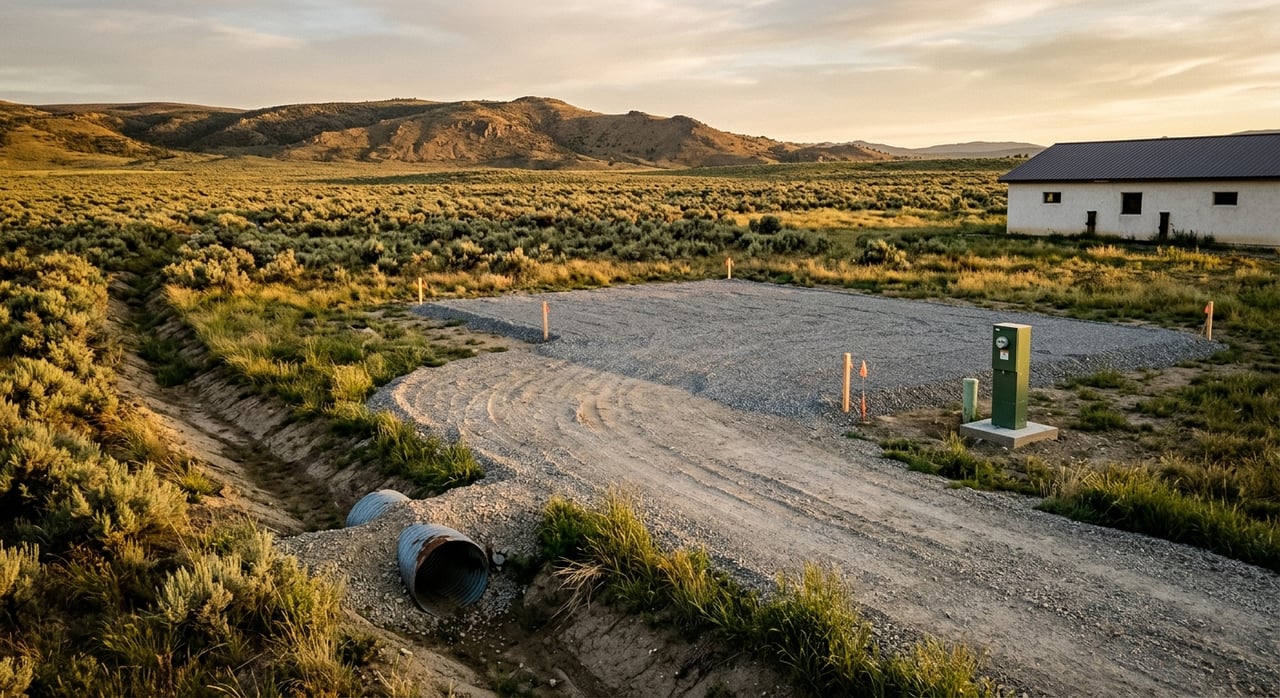
Buying land in Tetonia can feel simple at first glance. You see open space, mountain views, and room to build something meaningful. But before you treat any parcel as a future homesite, retreat, or long-term investment, you need to know whether it can legally and practically support your plans. This guide walks you through the key questions to ask so you can move forward with more clarity and fewer surprises. Let’s dive in.
Start With Jurisdiction
One of the first things to confirm is where the parcel actually falls from a regulatory standpoint. Land in the City of Tetonia follows a different path than land in the city impact area or unincorporated Teton County.
Inside Tetonia, the city planning office handles zoning, building codes, permits, and inspections. Outside city limits, Teton County land development rules usually apply unless the parcel sits in an area of city impact. That distinction shapes everything from zoning to utilities to how you approach future development.
Know The Zoning Before You Buy
Zoning is not just a label on a map. It helps determine what you may be able to build, how the site can be used, and what constraints may come with the property.
Tetonia’s city zoning includes agricultural, residential, open-space, commercial, and manufacturing districts. The city also uses scenic corridor and natural open space overlays, which can affect what development looks like in certain areas.
In unincorporated Teton County, the zoning system is different. County zones such as AOI-2.5, AOI-20, RN-5, FH-10, FH-20, RR-20, RA-35, and LA-35 reflect factors like utility availability, slope, wildfire risk, wildlife habitat, floodplains, and scenic resources.
Why zoning matters in Tetonia
In a place like Tetonia, zoning often reflects real site conditions, not just planning theory. A parcel with wide views or a more remote setting may also come with added limits tied to access, topography, or environmental conditions.
That means a parcel can look ideal on paper but still require more work, more review, or more cost than expected. Before you move too far into negotiations, verify that the zoning aligns with your intended use.
Confirm Legal Access Early
Access is one of the most important land questions in Tetonia. If you cannot reach the property legally and practically in all seasons, the rest of your plans may not matter.
Teton County road standards require permits for all new access into county roads, including driveways. County standards also address gravel or hard-surface requirements, drainage, culverts at county-road intersections unless otherwise approved, and driveway grades that generally cannot exceed 10% without fire marshal approval.
Inside Tetonia, frontage also matters. The city zoning code requires frontage on a public right of way for new residential, commercial, and industrial buildings.
Access is more than a driveway
When buyers think about access, they often focus on whether a road appears to reach the lot. In practice, you should also confirm recorded easements, driveway feasibility, seasonal conditions, and whether the route meets local requirements.
This is especially important in a high-elevation market where snow, drainage, and freeze-thaw cycles can affect usability. A pretty lane in summer may tell only part of the story.
Understand Water And Wastewater Options
A parcel’s utility setup can strongly affect cost, timeline, and overall feasibility. In Tetonia, that usually starts with one basic question: Will the property use city services or private systems?
Inside the city, parcels improved for occupancy must connect to the public sanitary sewer. Water service connections also require a city permit and fee, and the city notes that frozen customer water lines are the customer’s responsibility.
In more rural areas, utility planning usually shifts to private systems. A domestic well requires an Idaho Department of Water Resources drilling permit and a licensed driller, while septic systems are permitted and inspected through the public health district under Idaho rules.
Utility assumptions can be costly
Two parcels with similar acreage can have very different value once water and wastewater are factored in. Land on city water and sewer may offer a more direct path to building, while rural land may require more investigation, more upfront expense, and more coordination with specialists.
That does not make one type better than the other. It simply means you should evaluate the utility path before you assign the parcel a future use or budget.
Check Buildability, Not Just Ownership
Buying land and building on land are not the same thing. The practical test is whether the parcel can support your intended use with the access, water, wastewater, setbacks, and site conditions required by the governing jurisdiction.
Tetonia’s lot split application helps show what matters. It requires a surveyed site plan stamped by a licensed land surveyor, proof of adequate access or easements, property lines and setbacks, and identification of existing ditches or waterways.
For county subdivisions, the review can go even deeper. Final plat packages may require engineer reports, sanitary restrictions, water-right distribution or conveyance certification when applicable, and final approval letters from Eastern Idaho Public Health and the fire district before recording.
Pay Attention To Elevation And Winter Conditions
Tetonia is a high-elevation market, and that affects day-to-day ownership more than many out-of-area buyers expect. NOAA lists the Tetonia Experiment Station at 6,170 feet, which helps explain why winter access, freeze protection, and snow management deserve early attention.
In practical terms, you should think beyond the building envelope. Ask how the driveway performs in winter, whether utility lines need added protection, and how snow storage and drainage will work over time.
Tetonia land should work year-round
A parcel may feel easy to evaluate on a clear summer day. But a good land decision in Tetonia looks at all four seasons, not just first impressions.
County road standards and the city’s utility rules both reinforce this point. Reliable access and protected infrastructure are part of the real buildability picture.
Review Slope, Views, And Overlays
The very features that attract people to Tetonia can also affect land use. Views, rolling ground, and open corridors often carry planning significance in both city and county rules.
Tetonia’s scenic corridor overlay is meant to protect the Highway 33 approach into the city. In the county, FH-10 and FH-20 zones are intended to preserve scenic views, protect steep slopes, maintain access to public lands, and reduce wildfire exposure.
The county’s LA-35 district also highlights issues tied to remoteness of services, topography, wetlands, floodplains, and scenic qualities. So when you look at a dramatic parcel, it is wise to ask not only how it looks, but how those features affect approvals and development cost.
Don’t Skip Drainage And Floodplain Review
Low-lying land or property near water deserves extra attention. Drainage patterns and floodplain status can affect where and how you build, along with insurance, engineering, and long-term maintenance considerations.
For Tetonia buyers, floodplain and drainage checks should be standard due diligence on water-adjacent or lower sites. Official flood map resources and Idaho parcel search tools can help you review whether flood hazards may apply.
Irrigation matters on acreage
If you are buying larger land, irrigation infrastructure can be an important part of the picture. Tetonia subdivision rules require identification of irrigation ditches or canals, contact with water-right holders or canal companies, and approval before storm water is routed into irrigation ditches.
That matters because irrigation features can affect layout, access, drainage planning, and future improvement costs. On acreage, they are not a side note.
Build Your Due Diligence In The Right Order
Land due diligence usually goes best when you follow a clear sequence. In Tetonia, that means answering the most important feasibility questions before you get attached to a plan.
A practical order looks like this:
- Confirm the parcel’s jurisdiction
- Verify zoning and overlay rules
- Order a survey
- Confirm legal access and easements
- Identify the likely water source
- Confirm sewer or septic feasibility
- Check drainage, floodplain, and site constraints
This sequence reflects what city and county applications actually require. It also helps you distinguish between land that is merely available for purchase and land that truly supports your intended use.
Know Which Professionals You May Need
Most land purchases in Tetonia involve more than a buyer, seller, and title company. Depending on the parcel, you may also need input from several local professionals.
Common members of the due-diligence team include a planner, building official, licensed land surveyor, civil engineer, public health specialist, fire marshal, and licensed well driller. In many cases, the surveyor helps clarify boundaries and access, the engineer evaluates roads and drainage, public health reviews septic-related issues, and the city or county planning office confirms the applicable approval path.
A Smarter Way To Evaluate Tetonia Land
The best land decisions usually come from asking better questions early. In Tetonia, the goal is not simply to find acreage you love. It is to confirm that the parcel fits your goals, works in all seasons, and supports a realistic path from purchase to use.
That kind of clarity matters whether you are buying a future homesite, a legacy property, or a rural investment. If you want a calm, informed approach to land in Teton Valley, Wealthwise Real Estate can help you evaluate the details that shape long-term value.
FAQs
What should you check first before buying land in Tetonia?
- First, confirm whether the parcel is in the City of Tetonia, the area of city impact, or unincorporated Teton County, because that determines which rules and approvals apply.
Why does zoning matter when buying land in Tetonia?
- Zoning affects what may be built, how the land may be used, and whether factors like scenic overlays, slope, utility availability, floodplains, or wildfire risk may limit your plans.
Do Tetonia land buyers need to verify legal access?
- Yes. You should confirm recorded access, easements, frontage requirements, and whether any new driveway into a county road will need a permit and specific construction standards.
How do water and sewer options differ for land in Tetonia?
- Inside the city, occupied parcels must connect to public sewer and water connections require city approval, while rural properties may rely on private wells and septic systems subject to permitting and inspection.
Why is winter planning important for Tetonia land?
- Tetonia’s high elevation makes snow, freeze protection, and year-round access important parts of buildability, especially for driveways, buried lines, and long-term property use.
What professionals might help with a Tetonia land purchase?
- Depending on the parcel, you may need a surveyor, engineer, planning official, public health specialist, fire marshal, or licensed well driller to evaluate access, boundaries, drainage, utilities, and approvals.